Environmental Justice Lens on Flood Resilience
North Carolina Department of Environmental Quality gets involved in Flood Resiliency
By Brayden Gordy

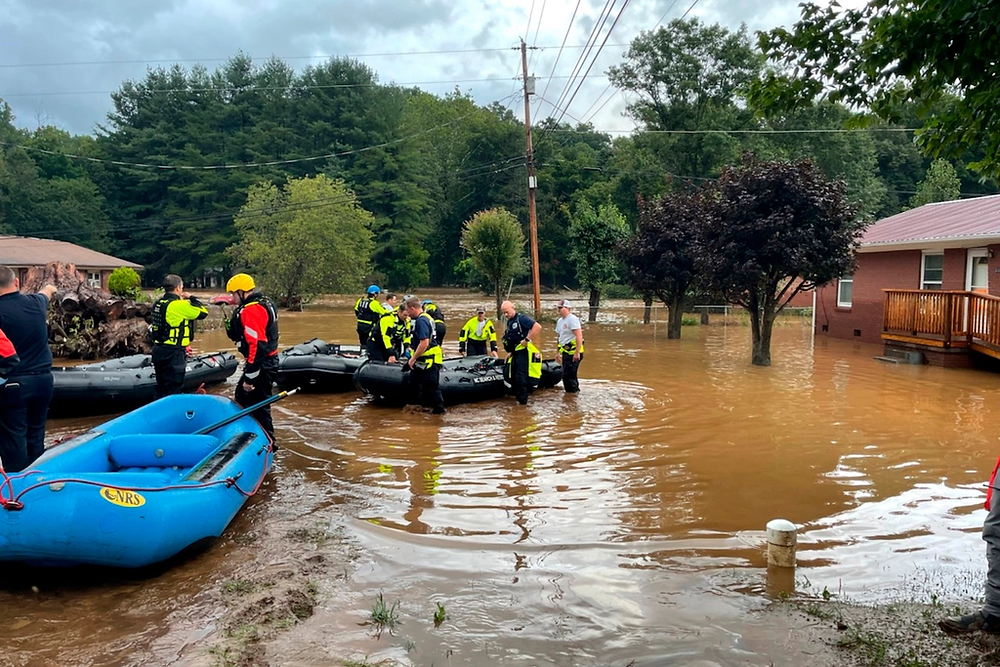
Photo courtesy of the US Coast Guard
Environmental justice is a critical issue that affects millions of people across the United States, one location that has been particularly impacted is North Carolina’s coastal communities. These communities are often underrepresented and underserved, making them more vulnerable to environmental disasters like flooding. North Carolina’s Department of Environmental Quality has recently released a new initiative aimed at supporting these communities. NC DEQ Division of Mitigation Services has proposed a “statewide initiative to develop an online-decision support tool and associated planning to address flooding for communities in North Carolina’s River basins.” (Allen, 2023). In this blog post, we will explore the importance of flood resilience for North Carolina’s coastal communities and how environmental justice plays a role in achieving it.
North Carolina’s coastal communities are at significant risk of flooding due to their proximity to the Atlantic Ocean and the state’s frequent extreme weather events. According to the North Carolina Climate Science Report, sea levels along the coast are expected to rise by as much as 6.5 feet by the end of the century (Kunkel, et. al, 2020). This rise in sea levels, combined with more frequent and intense storms, means that flooding is and will continue to be an increasingly pertinent issue for coastal communities.
However, not all communities are equally equipped to deal with the challenges posed by flooding. Historically, underrepresented and underserved communities, such as those inhabited by low-income families and people of color, face disproportionate levels of flood-based risk. In these communities, the lack of infrastructure, resources, planning, and political pressure can make it difficult to prepare for and respond to floods effectively.
Environmental justice is a key component of addressing the disparities in flood resilience that affect North Carolina’s coastal communities. According to the Environmental Protection Agency, Environmental Justice is defined as “fair treatment and meaningful involvement of all people regardless of race, color, national origin, or income, with respect to the development, implementation, and enforcement of environmental laws, regulations, and policies.” The state’s new implementation of an accessible online mapping tool to help better communicate flood risk and effects of mitigation measures to help ensure these communities have access to the information needed to make informed decisions. These informed decisions will ultimately help small coastal communities become more resilient.
In conclusion, flood resilience is a critical issue for North Carolina’s coastal communities, and achieving this through the lens of environmental justice is an essential aspect. By involving community members and giving them a repertoire needed, such as this interactive mapping tool that visualizes flood risk, will allow for a more direct decision-making process and a more flood resilient community. It is our collaborative responsibility to ensure that all communities, regardless of race, ethnicity, or income level, have access to the resources they need to protect themselves and prosper in the face of environmental challenges.
References
Allen, Jennifer. “Environmental Justice Board to Assist on Flood Resiliency.” Coastal Review, 2 Mar. 2023, https://coastalreview.org/2023/03/state/.
Kunkel , Kenneth E, et al. “North Carolina Climate Science Report.” NCICS, 2020, https://ncics.org/programs/nccsr/. https://files.nc.gov/ncdeq/climate-change/climate-scinece-report/NC_Climate_Science_Report_FullReport_Final_revised_September2020.pdf
United States Environmental Protection Agency. “Environmental Justice”, March 2023, https://www.epa.gov/environmentaljustice#:~:text=Environmental%20justice%20is%20the%20fair,laws%2C%20regulations%2C%20and%20policies.