The Intersection of Science and Community in Environmental Conservation

Environmental conservation is a multifaceted issue that involves a great deal of scientific research, policymaking, and cooperation from global communities in order to be effective. One group alone cannot—and should not—make substantial progress without assistance from the others. A Woods Hole Oceanographic Institution (WHOI) webinar, “Making Ocean Conservation Work,” delved into this topic further by speaking with experts in their respective fields about how they go about integrating environmental science into actionable change, and how that in turn is impacted by people at a local level, and vice versa.
Dr. Anne Cohen, a coral scientist with WHOI, has been making promising headway in determining what may be done to save coral reefs sensitive to climate change. Coral reefs are eminently important to millions of people and an even greater number of marine wildlife, as they provide food, jobs, and shelter. As vital as the reefs are, they’re also incredibly vulnerable—relatively minor fluctuations in temperature can cause them to bleach, which is when they expel the zooxanthellae that nourishes them and gives them their vibrant coloring. Corals can survive bleaching events, but they need time and cooler waters to recover, and both will be in short supply as oceans continue to warm.
Dr. Cohen and her team now strive to find a way to protect future generations of coral by researching a type of reef they’ve termed Super Reefs. Super Reefs can survive the warmer temperatures that bleach average coral reefs, and tests performed on samples from Super Reefs show that they could be sown throughout dying reefs to give them a fighting chance to recover. Science gives hope to many people that coral reefs can be saved, but that science cannot protect the future of reefs on its own.
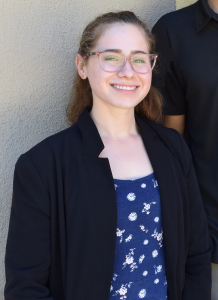
There are several important things to consider when moving forward with leveraging scientific research to make comprehensive changes, and as Dr. Staci Lewis—an ocean conservation scientist—advises, not everything can be accomplished in a government official’s office. For researchers, Dr. Lewis says it’s essential to develop on-location partnerships with the people who actively use the land and its resources, and who have been doing so for generations; she also pushes for embedded research, where mutually beneficial relationships develop between the researchers and their host organizations.
Beyond that, Dr. Lewis says that conservationists and researchers may also need to find a messenger—a person or group of people within a community whose voices carry weight and who lend their credibility and their knowledge to you in order to validate the research you’re planning and even lead you to resources you previously wouldn’t have considered. Dr. Lewis’ final pathway is identifying stakeholders, like community members who will be impacted by any policy changes that go into effect, and involving them as much as possible in the process.
The webinar’s third speaker, Ann Singeo, is the executive director of the Ebiil Society in Palau. She reiterates Dr. Lewis’ point about understanding your stakeholders and engaging with them from the beginning, citing her own experiences with the people of Palau and the incredible input they’ve provided in terms of how resources are used and who (men and women both) are responsible for the management of said resources.
All told, these women recommend the same course of action: combining science with local knowledge and necessities in order to effect both small- and large-scale change. This sort of cooperation is important to keep in mind for anyone looking to get involved in conservation efforts, whether through policy, scientific research, or volunteering time and skills to the cause.
References
Ocean encounters: Making ocean conservation work. Woods Hole Oceanographic Institution. (2021, January 28). Retrieved June 1, 2022, from https://www.whoi.edu/multimedia/ocean-conservation/
Ann singeo – executive director – EBIIL society | linkedin. (n.d.). Retrieved June 2, 2022, from https://pw.linkedin.com/in/ann-singeo-120295a5
Staff profile. Woods Hole Oceanographic Institution. (n.d.). Retrieved June 1, 2022, from https://www.whoi.edu/profile/acohen/
Staci Lewis – postdoctoral researcher – stanford center for … – linkedin. (n.d.). Retrieved June 2, 2022, from https://www.linkedin.com/in/staci-lewis-b5a56447