How College Dorms Can Cut Plastic With Simple Swaps
Jessica Vang

If you’ve ever unpacked for move-in day and thought, “Why does everything come wrapped in plastic?”—you’re not imagining it. Dorm life can be like living inside a vending machine: snack wrappers, plastic cups, mini shampoo bottles, takeout containers, and mystery packaging from online orders. The wild part? Most of this plastic shows up from “normal” choices we don’t even notice.
The good news is you don’t need to live like a zero-waste monk to make a dent. Cutting plastic in college dorms is more like steering a big ship than flipping a switch. Small turns matter. With a few simple swaps, you can reduce trash, save money over time, and make your space feel calmer and less cluttered. Ready to do it without making life harder? Let’s go.
Cut Paper Waste by Going Laptop-First (Without Killing Your Study Flow)
Plastic gets most of the attention, but paper can quietly explode in college—printed syllabi, handouts, readings, drafts, sticky notes, flyers, worksheets, and those “just in case” printouts you never look at again. The good news? If you already use a laptop for classes, you’re halfway there. The goal isn’t to ban paper completely. It’s to stop paper from becoming your default. One easy way to do that is to use digital essay-writing help instead of printing draft after draft. Going to https://edubirdie.com/ for help from professional writers can be a life-changing decision. You can also share a link with a friend, tutor, or writing service and get feedback in the margins—no paper copies needed. When you revise digitally first, you usually only print at the very end (if you have to at all), which cuts down on wasted pages.
Here’s how to reduce paper in a dorm-friendly way while staying organized and actually improving your study routine.
Build a Digital System You’ll Actually Use
Going “paperless” fails when your files become a messy digital junk drawer. So keep it simple and repeatable.
Easy setup (takes minutes, saves semesters):
Create one main folder: School
Inside it, make folders by Semester → Class → Week or Unit
Use consistent file names like: BIO101_Week3_Notes or ENG200_EssayDraft2
Then pick a note method that matches how your brain works:
Typed notes for speed and searchability
Handwritten digital notes (if you have a tablet/stylus) for diagrams and math
Hybrid: type in class, then annotate later with highlights or comments
This matters because once your notes are searchable, you stop printing “so you don’t lose it.” You can find anything with a quick keyword search—like having a flashlight in a messy closet.
Replace Printing With Smart Digital Habits
Most paper waste comes from “I need a copy” panic. The fix is to make digital access feel safer than paper.
Simple paper-cutting swaps:
Download syllabi and readings immediately and save them in the right class folder.
Use PDF annotation tools instead of printing readings. Highlight, comment, and bookmark pages digitally.
Scan instead of photocopying using your phone’s scanning feature (or a free scanning app). Save files as PDFs.
Submit assignments digitally whenever allowed. If a professor accepts PDFs, take that option.
Use cloud storage (or your school drive) so you can access files from anywhere and avoid “print a backup.”
If you’re thinking, “But I learn better on paper,” you’re not alone. Here’s a compromise that still reduces waste: print only what you’ll actively mark up, and print it in the most efficient way possible (double-sided, multiple pages per sheet, and only the pages you truly need).
Why Dorm Plastic Adds Up So Fast
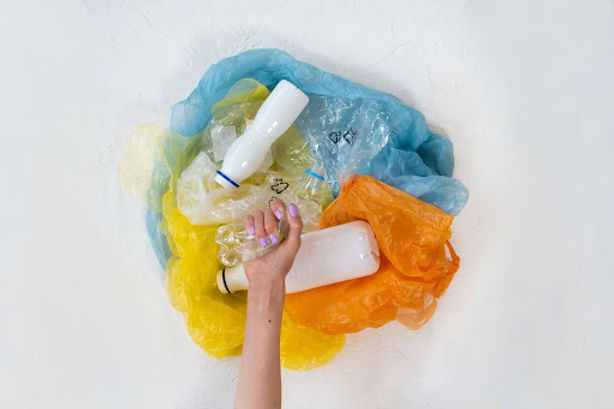
Dorms are basically high-speed plastic generators. Think about it: limited storage, shared bathrooms, busy schedules, and lots of food on the go. Convenience becomes the default, and plastic is convenience’s best friend.
Here’s why it snowballs so quickly:
Single-serve everything: coffee pods, snack packs, instant meals, mini toiletries
Takeout culture: late-night food runs usually come with plastic lids, cutlery, and bags
Move-in shopping: new bedding, bins, and “must-haves” often come in plastic packaging
Online orders: shipping bags, bubble wrap, air pillows—like a plastic confetti cannon
And the tricky part? Plastic feels “invisible” until you’re taking out the trash and realize your bin is full after two days. So instead of trying to be perfect, aim for high-impact swaps—the ones you use daily.
Your Dorm Room: Easy Wins With Daily Essentials
Start where you have the most control: your own room. This is the “home base” where habits form. The best swaps are the ones that feel so easy you forget they’re swaps.
Swap Your Bathroom Routine
Bathrooms are sneaky plastic hotspots. You don’t need 20 glass jars and a bamboo forest to reduce waste—you just need a few upgrades you’ll actually use.
Simple plastic-cutting dorm swaps:
Bar soap instead of body wash: one bar can replace multiple plastic bottles. Put it in a draining soap dish so it doesn’t turn into slime.
Shampoo and conditioner bars: if you’re unsure, start with one (like shampoo) and keep conditioner the same. Baby steps still count.
Refillable deodorant or cardboard-packaged deodorant: some brands offer refills; others use paper tubes.
Safety razor with replaceable blades: the handle lasts for years. Blades come in small paper packs.
Reusable cotton rounds or a washable makeup cloth: you’ll cut both plastic packaging and constant repurchasing.
Menstrual cup or period underwear (if it fits your needs): less packaging, fewer purchases, and less emergency “oh no” runs.
A good rule: swap one product when the old one runs out. That way you don’t waste what you already have, and you won’t feel like you’re doing a full life reboot during midterms.
Rethink Snacks and Coffee (Because That’s Where Plastic Loves to Hide)
Be honest—snacks and drinks are probably where dorm plastic multiplies like rabbits. Wrappers, bottles, straws, lids… it adds up ridiculously fast.
Easy food-and-drink swaps that work in dorms:
Reusable water bottle + refill habit: if your campus has bottle-fill stations, this is basically the “cheat code.” If not, a filtered pitcher can help.
Reusable coffee cup or tumbler: many campus cafés give a small discount. Even when they don’t, you still cut the cup-lid cycle.
Metal or bamboo utensils: keep a fork/spoon set in your backpack. Future, you will feel like a genius during surprise takeout meals.
A small bowl and mug in your room: sounds basic, but it stops the “paper bowl and plastic spoon” pattern.
Buy bigger instead of single-serve: a larger bag of trail mix in a container beats 10 mini packs. Same for yogurt, cereal, or nuts.
Snack containers: one or two sturdy containers can replace endless zip-top bags.
Think of it like upgrading from a leaky faucet to a tighter valve. You’re not banning snacks—you’re just stopping plastic from dripping into your life all day.
Conclusion: Small Dorm Swaps, Big Plastic Cuts
Reducing plastic in college dorms isn’t about being perfect—it’s about being consistent. Think of your dorm like a tiny boat: you don’t need to stop the ocean, you just need to stop the leaks. A reusable bottle, a real fork, a bar of soap, a refill habit…these swaps don’t look dramatic on day one, but they compound fast.
So ask yourself: What’s the one plastic item you touch every day? Start there. Then make the next swap when you’re ready. Before you know it, your trash can won’t overflow as often, your room will feel less cluttered, and you’ll realize something kind of empowering: you don’t need a perfect lifestyle to make a real difference—you just need a few smart, simple choices that fit dorm life.
Citations
Geyer, R., Jambeck, J. R., & Law, K. L. (2017). Production, use, and fate of all plastics ever made. Science Advances, 3(7), e1700782. https://doi.org/10.1126/sciadv.1700782
Jambeck, J. R., Geyer, R., Wilcox, C., Siegler, T. R., Perryman, M., Andrady, A., Narayan, R., & Law, K. L. (2015). Plastic waste inputs from land into the ocean. Science, 347(6223), 768–771. https://doi.org/10.1126/science.1260352
Organisation for Economic Co-operation and Development. (2022). Global plastics outlook: Economic drivers, environmental impacts and policy options. OECD Publishing. https://doi.org/10.1787/de747aef-en
United Nations Environment Programme. (2023). Turning off the tap: How the world can end plastic pollution and create a circular economy. UNEP. https://www.unep.org/resources/report/turning-off-the-tap