The Overlooked Problem of Fossil Fuel Combustion

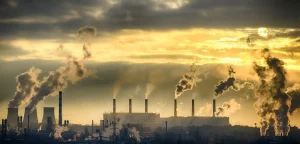
When it comes to the effects of fossil fuel use, a few that come to mind are global warming, sea level rise, and air pollution. One major, and often overlooked, environmental problem resulting from carbon dioxide being released into the atmosphere is known as “ocean acidification”. According to the Natural Resources Defense Council (NRDC), “when we burn oil, gas, and coal, scientists have discovered that we are transforming the fundamental chemistry of the oceans, rapidly making the water more acidic”. Simply put, ocean acidification happens when carbon dioxide gas in the atmosphere dissolves into the ocean, which lowers the water’s pH levels. This makes the ocean more acidic.
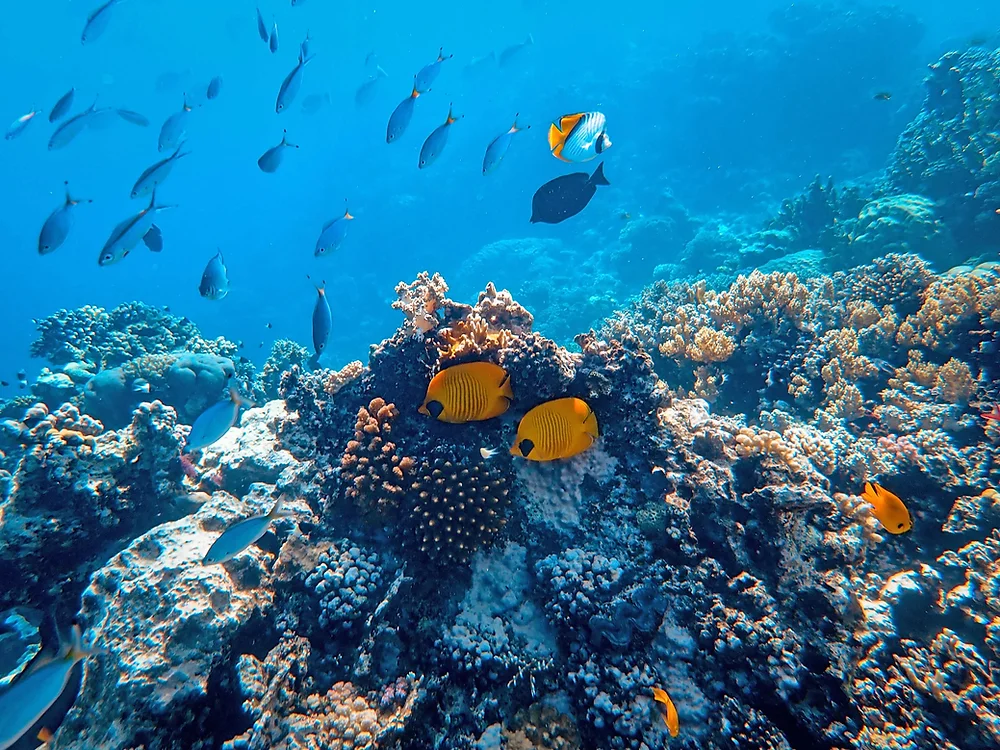
But how is this affecting our world’s oceans, oceanic creatures, and our society as a whole? Coral reefs, in particular, will suffer immensely. As carbon dioxide and ocean acidity levels continue to rise, coral reefs will begin to erode faster than they can grow. Eventually reef structures could potentially be lost worldwide which will have a great impact on areas that depend on healthy coral reefs for shoreline protection and food. This will also have detrimental effects on “lucrative tourism industries”. In addition to coral reefs, the increase of ocean acidity is expected to have a drastic impact on commercial fisheries worldwide. This threatens a food source for millions of people across the planet, as well as a multi-million dollar corporation.
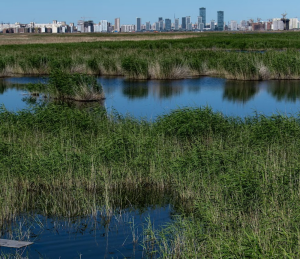
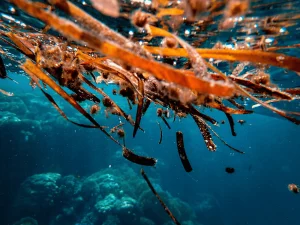
As we can see, both coastal and marine ecosystems are under a tremendous amount of stress. Today, the world’s oceans are nearly thirty percent more acidic than in pre-industrial times. That percentage continues to grow, threatening the health and safety of both marine and human life. The transition to a green future with clean energy sources can aid in preventing ocean acidification. Some possibilities include enacting a “federal carbon cap-and-trade legislation” and taking on energy policies that invest in efficiency and renewable energy sources. However, we should also ensure that the ocean is able to defend itself from acidification. This can be accomplished through establishing strong national policies aimed at protecting and maintaining the health of marine ecosystems, as well as ending overfishing and developing marine protected areas.
More than ever, solutions are needed to protect our world’s oceans from global warming’s often-overlooked partner: ocean acidification. By taking action, we can work together to protect both marine-life and ourselves from the detrimental consequences and impacts that come from an acidified ocean. To read and learn about what the Environmental Protection Agency (EPA) is doing to address ocean and coastal acidification, visit www.epa.gov/ocean-acidification.
Citations
1. “Ocean acidification: the other CO2 problem” NRDC. https://www.nrdc.org/sites/default/files/NRDC-OceanAcidFSWeb.pdf
2. “Global ocean is absorbing more carbon from fossil fuel emissions” NOAA. https://www.noaa.gov/news/global-ocean-is-absorbing-more-carbon-from-fossil-fuel-emissions
3. “Tracing fossil fuel companies’ contribution to climate change & ocean acidification” Union of Concerned Scientists.https://www.jstor.org/stable/resrep24076?seq=1#metadata_info_tab_contents
4. “Burning of fossil fuels – understanding global climate change” Berkeley. https://ugc.berkeley.edu/background-content/burning-of-fossil-fuels/
5. “Oceans of acid: how fossil fuels could destroy marine ecosystems” PBS. https://www.pbs.org/wgbh/nova/article/ocean-acidification/
6. “What Causes Ocean Acidification?” Natural History Museum. https://www.nhm.ac.uk/discover/quick-questions/what-causes-ocean-acidification.html
7. “How Cap-and-Trade Works” Environmental Defense Fund. https://www.edf.org/climate/how-cap-and-trade-works
8. “About Marine Protected Areas” NOAA. https://marineprotectedareas.noaa.gov/aboutmpas/
9.“What EPA is Doing to Address Ocean and Coastal Acidification” Environmental Protection Agency.https://www.epa.gov/ocean-acidification/what-epa-doing-address-ocean-and-coastal-acidification